What Should a Wedding Photography Contract Include?

POSTED — 02 June 2026
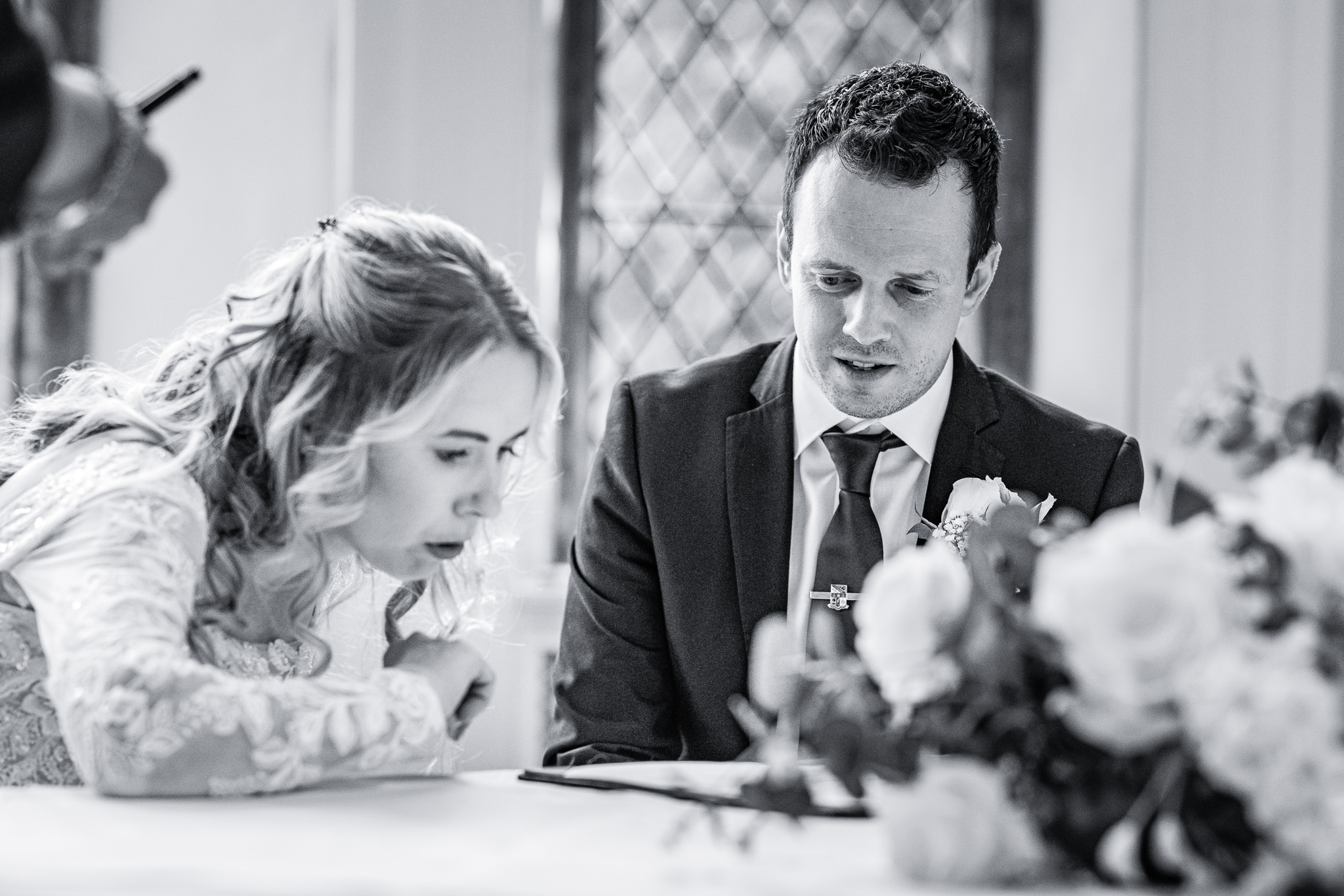
Bride and groom signing their marriage register after their wedding ceremony

A wedding photography contract should tell you exactly what you are booking, when your date becomes secure and what happens if plans change. Here is what to check before you sign it.

Planning Advice — Booking a photographer

You should receive a proper written contract

If you are paying somebody to provide a professional service at your wedding, you should receive a professional contract explaining what you are getting for your money.

That applies to photographers, caterers, florists, entertainment and almost everybody else you are trusting with a part of the day.

I once photographed a wedding where the couple had paid a caterer around £2,500 to provide the food, drinks, glasses, cutlery, plates and cake. When everybody returned from the registry office, none of it was there.

The caterer had not turned up. The couple were thousands of pounds down with a marquee full of hungry guests and little useful paperwork explaining exactly what had been agreed.

A contract cannot physically force somebody to arrive. It can establish who accepted the booking, what they promised, what you paid and what happens when one side fails to do it.

UK consumer contracts can be formed verbally, in writing or through the conduct of the people involved. An email conversation is not automatically worthless. The problem comes when something goes wrong and everybody remembers the conversation differently.

A written contract gives both sides one version of the agreement.

This is practical guidance based on more than 500 weddings, not legal advice about any particular contract or dispute.
Beef Wellington, potatoes and vegetables prepared for a wedding breakfast

When is your wedding photographer actually booked?

An enquiry does not reserve a date. Neither does asking for a brochure, arranging a video call or saying that you would like to book.

For my bookings, the date becomes secure when the contract has been signed and the booking payment has been made. You need both.

I have had couples leave a contract and payment request sitting in their inbox for several weeks, then return to discover that somebody else has booked the date. One potential customer contacted me shortly before her August wedding believing I was booked after a brief WhatsApp conversation the previous year. No contract had been completed and no booking payment had been made, so I was not booked.

That is an awful situation, but it is why the booking point must be unambiguous. A photographer cannot indefinitely refuse every other enquiry because somebody said they were probably going to book.

The agreement should also identify the photographer or business properly. Check the names, contact details, wedding date and locations. If every clause refers vaguely to "the photographer" without establishing who that is, ask for it to be corrected.

Electronic signatures are perfectly normal. What matters is receiving a completed copy showing what both sides accepted, rather than sending your signature into the void and never seeing the agreement again.

Does the contract match what you are buying?

The contract should describe the photography in language you understand.

Check that it states:

• The collection or level of coverage
• The amount of photography time included
• The intended start and finish arrangements
• The locations being covered
• Whether an album, second photographer, engagement shoot or other product is included
• How the photographs will be delivered
• The gallery commitment and delivery period applying to your booking

The figures may vary between collections, photographers and times of year. Your own agreement should reflect what you were promised when you booked.

My Full Story currently provides up to 12 hours of photography, finishing no later than 23:59. The Epic covers weddings requiring more than 12 hours. Those boundaries stop "full day" becoming an argument about whether I should remain at a nearly empty venue indefinitely.

If a short booking runs ten minutes over, I am not normally standing there with a stopwatch. A substantially different job is another matter. I once accepted an hour of ordinary photography that turned out to be a proposal with another venue and a wider brief. The scope had been understated to obtain a lower price.

The contract protects the couple from receiving less than they bought and the photographer from being expected to provide a different job for the same fee. My guide to wedding photography coverage explains why the hours must match what is genuinely happening.
Do We Need a Wedding Photographer for the Whole Day? | UK Guide
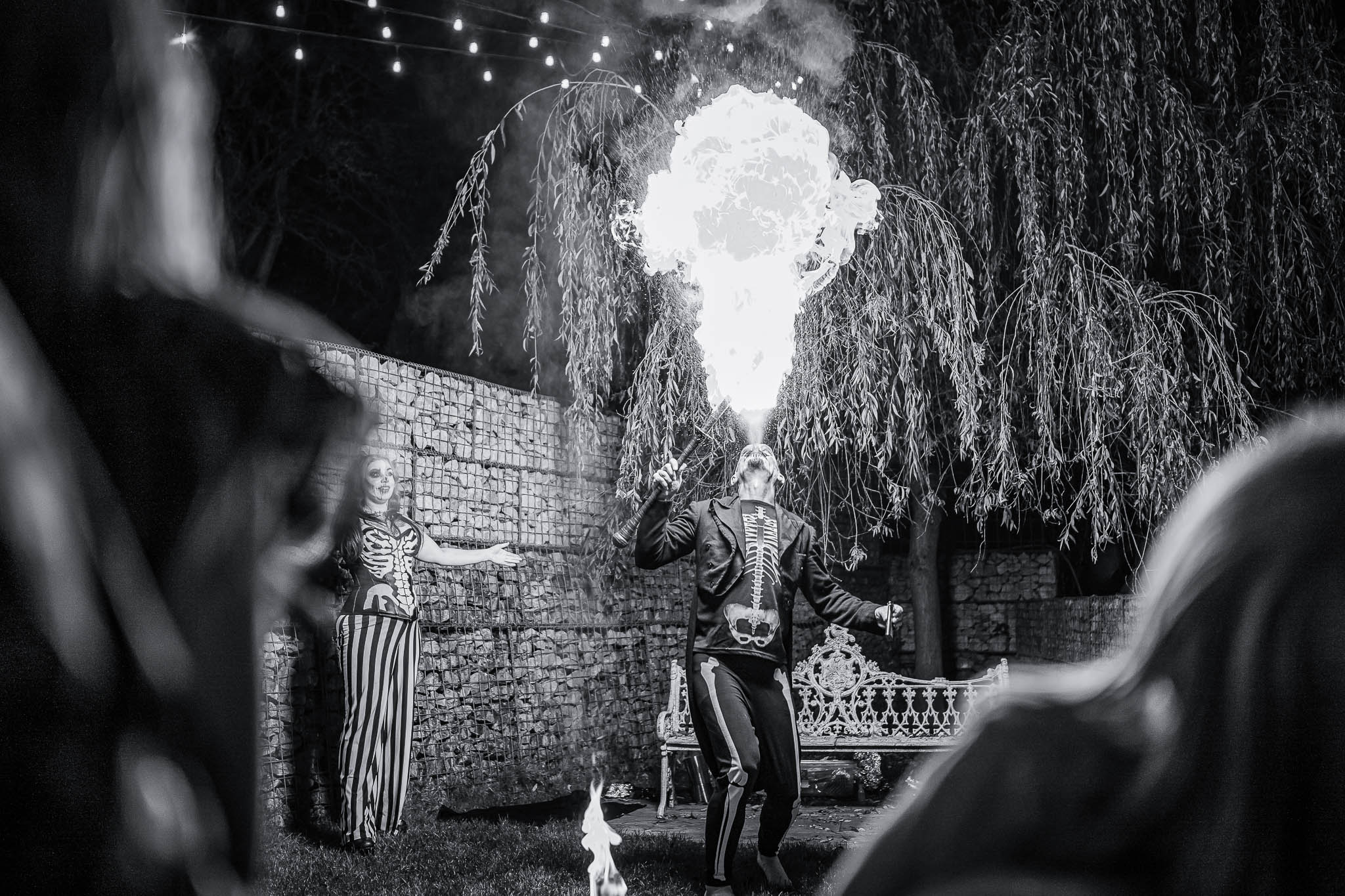
Fire performer entertaining guests during an outdoor evening wedding reception

What happens with payments, cancellations and postponements?

There should be no guesswork about money. The agreement should state the total price, booking payment, final deadline, available payment methods and what happens if an amount remains unpaid.

If the balance remains unpaid within the period stated in my agreement, I reserve the right to withdraw. At that point the couple may also become liable for a cancellation charge under the contract. I am not attending a wedding on promises that payment will arrive afterwards. Most wedding suppliers who refuse to do that have broken the rule once and been taught why it existed.

Cancellation and postponement terms should explain what happens if you cancel, change the date, move venue or choose a new date the photographer cannot attend.

A supplier is not automatically entitled to keep every payment or demand the whole balance simply because the contract says so. CMA guidance on cancelling services explains that cancellation terms must be fair. A business may be able to recover losses caused by the cancellation, including appropriate loss of profit, but it should take reasonable steps to reduce those losses.

For a wedding photographer, the date itself has value. A late cancellation may leave no realistic chance of reselling a peak Saturday. If it is resold, that should form part of the calculation. The supplier should not be paid twice for the same loss.

My own terms explain how the notice given, the type of date and any replacement booking affect what is due. They also prevent somebody postponing purely to move the booking outside a cancellation period before cancelling it.

Most postponements are genuine. A clear contract gives that difficult conversation a fair starting point.
CMA Guidance on cancelling services

What happens if your photographer is ill?

Across more than 500 weddings, I have never missed one because of illness, injury or an emergency. I would basically need to be dead to miss a wedding.

That is reassuring, but “I have never been ill” is not a contingency plan.

The contract should explain what happens if the named photographer genuinely cannot attend. Ask whether they have experienced photographers they can call, who would edit the work and what happens if nobody suitable is available.

I have a network of professional photographers who could cover me. I would still normally edit the photographs so the finished gallery retained my editing style, although the replacement photographer would naturally see and photograph the wedding in their own way.

If I were completely incapacitated and nobody suitable was available, my agreement provides for a full refund, including the booking payment.

The clause cannot make an emergency impossible. It tells you what the plan is if one happens.
I explain the complete replacement, handover and refund process in my guide below;

What Happens if Your Wedding Photographer Is Ill?
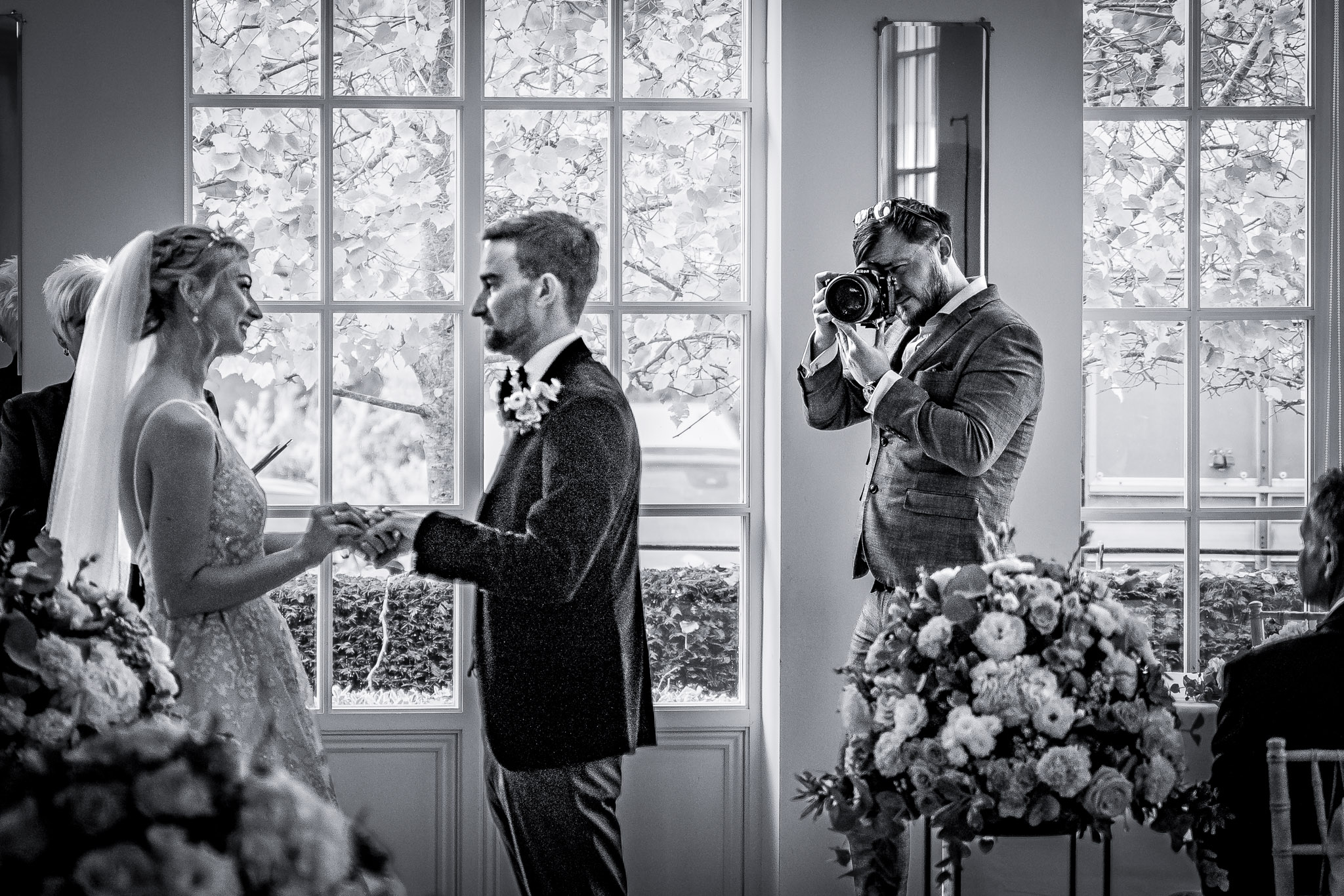
Wedding photographer James Robinson photographing a bride and groom during their ceremony

Who owns the photographs, and do you receive the RAW files?

Booking a photographer means commissioning finished photographs in that photographer's established style.

The contract should explain who selects the photographs, what editing is included, whether the gallery may contain colour and black-and-white work, how additional retouching is handled and whether RAW files are supplied.

I allow reasonable retouching requests, but I do not turn people into different versions of themselves. I will remove temporary spots and make normal finishing adjustments. I will not significantly alter somebody's body, age or permanent physical features. As a documentary photographer, my job is to make people look their best without pretending they were somebody else.

I also do not provide RAW files. You receive the finished product, not the ingredients.

RAW photographs are unfinished working files. Somebody else editing them and presenting the results as my photography could undermine a style I have spent years developing.

Copyright is separate from possession of the files. In most circumstances, the photographer who creates a photograph owns its copyright. Paying for wedding photography does not automatically transfer ownership to the couple.

My couples receive high-resolution finished photographs and a licence allowing normal personal use. They can download, print and share them with friends and family. Another wedding business wanting to use them commercially should contact me and obtain permission.

Portfolio privacy is a separate question again. Couples can ask me in writing not to publish identifiable photographs of them. That limits promotional use according to the agreement and applicable data-protection rights. It is not the same as owning the copyright.

A couple can separately pay for a formal written assignment of copyright. If that arrangement requires me to remove my retained copies, responsibility for preserving the files passes to the new owner. I cannot recover photographs years later if I was required to delete them.

The UK Intellectual Property Office's photography guidance explains the distinction between ownership, licences and copyright transfers.
UK Intellectual Property Office's photography Guidance
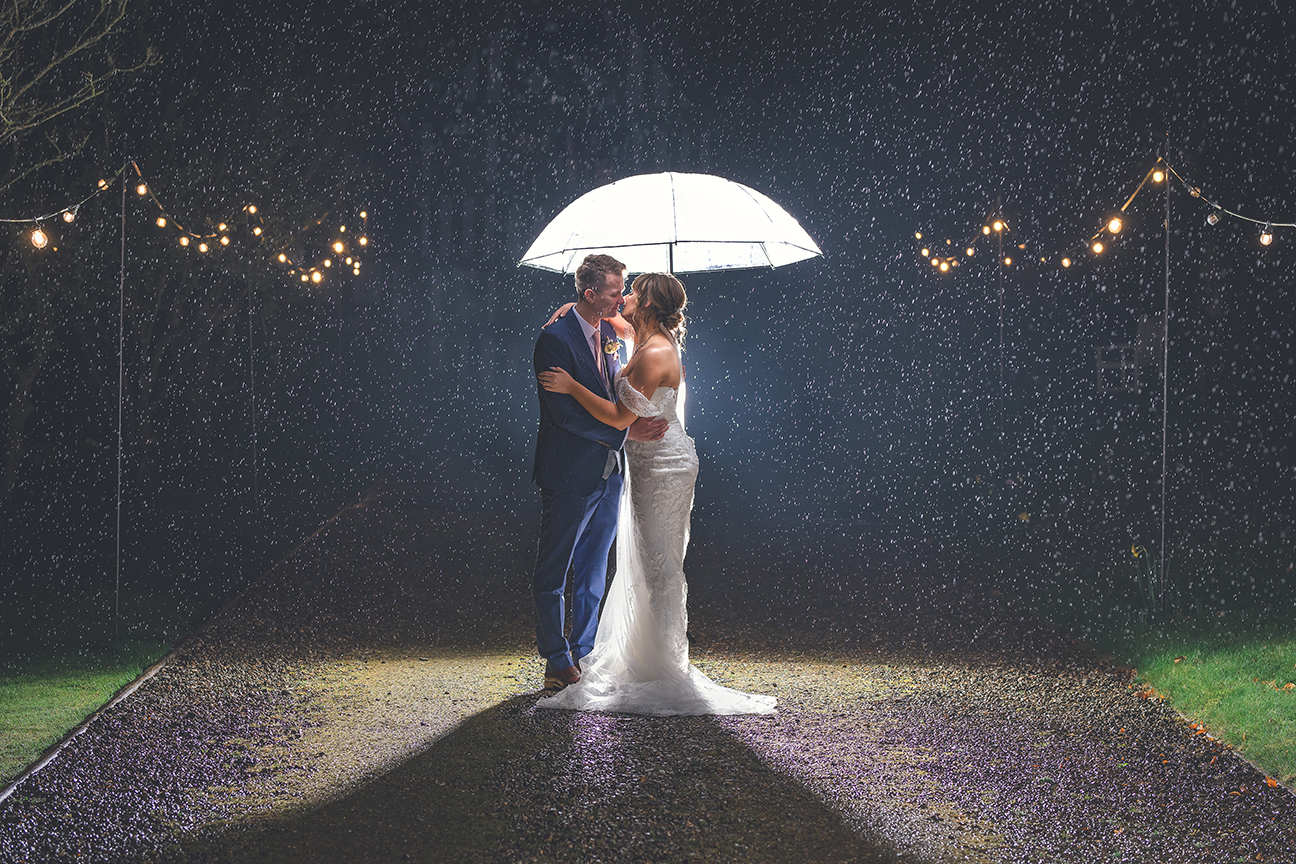
Newly married couple illuminated in a window of their wedding venue at night

What is outside the photographer’s control?

A professional photographer should take responsibility for their decisions and work. They cannot take responsibility for everything that happens at a wedding.

A sensible contract should address severe weather, unsafe conditions, delays, venue restrictions, absent relatives and guests blocking the photographer's view.

If you plan an outdoor wedding, have no useful indoor alternative and refuse to go outside when it rains, you cannot expect sweeping summer portraits across dry grounds. My guide to rain on a wedding day explains what remains possible.

Churches may impose restrictions too. I have attended ceremonies where I was required to remain at the back and take very few photographs. I have to respect that decision.

At another wedding, a guest stepped into the aisle to film the bride's entrance. He stood directly between the couple as she walked towards her husband.

The photographs are dominated by the back of his head. I could not fix that without shouting during the entrance and disrupting the ceremony myself.

The contract cannot stop somebody doing something daft. It can establish that the photographer is not responsible for a moment made impossible by another person's actions.

The couple has responsibilities as well. Allow realistic time for the photographs, provide accurate locations and timings, identify the important people and obtain permission before planning photography on private property. A list of 86 group photographs and a 20-minute window will not become achievable because it was emailed to the photographer.
What Happens if It Rains on Your Wedding Day?

Can a photographer leave if the wedding becomes unsafe?

One clause in my agreement allows me to withdraw if continuing to work becomes unsafe.

It exists because I have been assaulted while photographing a wedding.

I do not believe any photographer, supplier or member of staff should be expected to remain at work after being threatened or assaulted. A wedding does not suspend the ordinary expectation that somebody can do their job without being abused.

That clause is not permission to leave because somebody is mildly annoying. It establishes a boundary for genuinely unsafe behaviour.

The same common sense applies elsewhere. I do not put a compulsory hot meal into my contract because I am not taking a couple to court over a sandwich. Tell me I will not be fed and I will bring a packed lunch. I can put my big-boy pants on.

Anything included in a contract should serve a real purpose and be something the supplier is prepared to apply fairly.
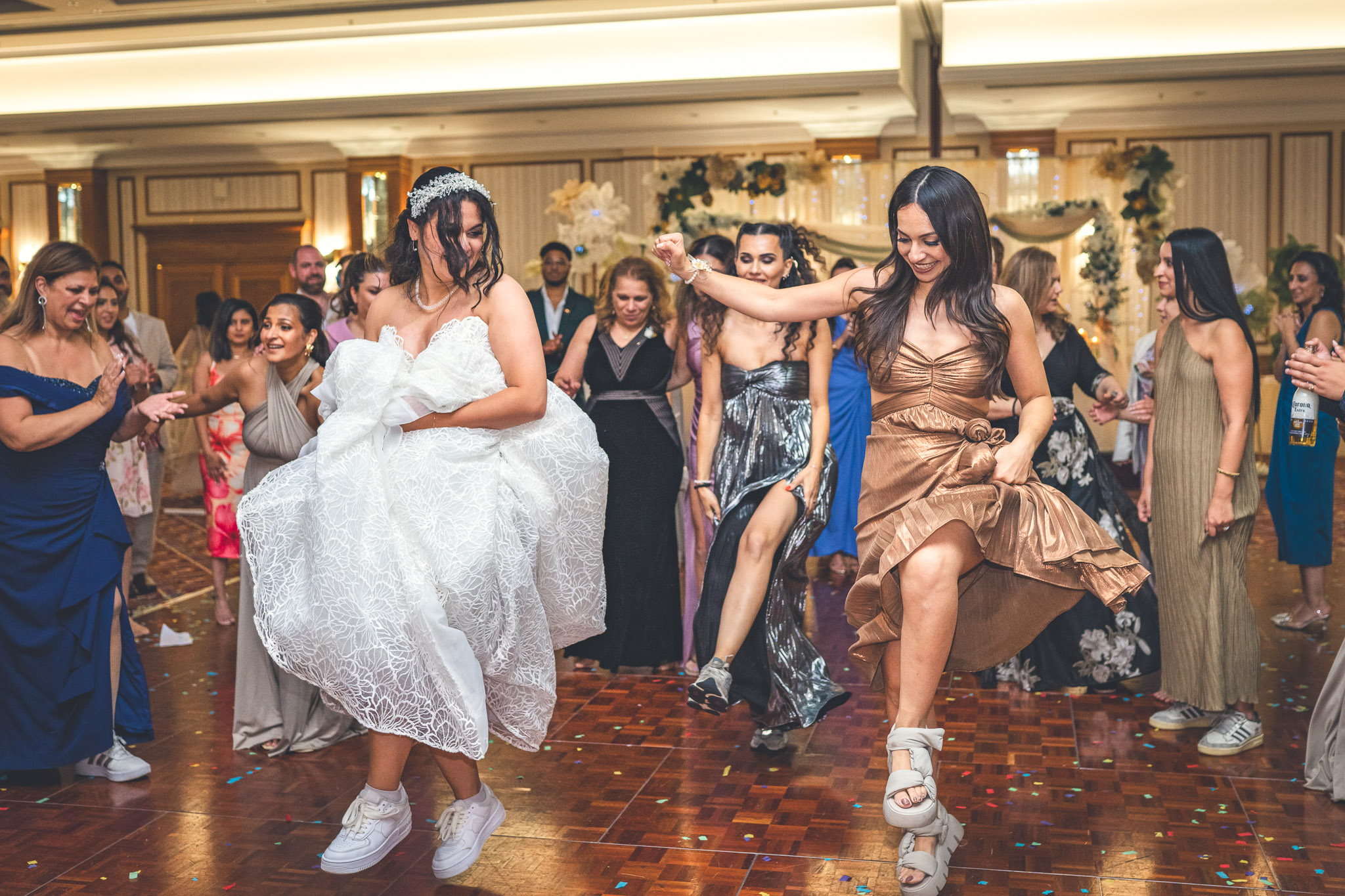
Bride and wedding guests dancing together during a lively evening reception

What should you check before signing?

Before paying anything, confirm that:

• The photographer or business is properly identified
• Your names, date and locations are correct
• The coverage and products match what you were sold
• Payment, cancellation and postponement terms are clear
• The illness and emergency plan is explained
• Delivery, editing, retouching and RAW files are covered
• Copyright, personal use and portfolio permission make sense
• You understand the responsibilities placed on both sides
• You receive a completed copy of the agreement

The absence of a written contract would be the largest warning sign for me.

An attractive online profile can be fabricated. Trust it alongside established work, genuine reviews, clear business details and a proper agreement.

My guide to choosing a wedding photographer covers the other things worth checking before you commit.

A good contract prevents surprises

Nobody books a wedding photographer because they are excited to read the cancellation clause. Read it anyway. Check the details, ask about anything you do not understand and save the completed copy.

A fair contract protects the couple from a supplier disappearing or changing what was promised. It also protects the photographer when payment is not made, the brief changes or a photograph becomes impossible.

Most importantly, it should establish those expectations while everybody is calm, rather than leaving them to be argued about two weeks before the wedding.

If you are considering booking me and want to understand how the agreement and collection fit your plans, tell me about your wedding. I would rather answer a question before you sign than discover later that either of us assumed something different.
Check Availability