Not always.
If you are planning a short registry-office ceremony, a small meal or a celebration that starts late in the day, full-day photography may be more than you need. If you want the preparations, ceremony, reception, speeches, first dance and part of the evening, shorter coverage can become tight surprisingly quickly.
The right amount of coverage is the shortest window that comfortably contains the parts you care about, with a little room for weddings being weddings.
Weddings rarely run to the minute, and that is normal. A late ceremony shifts the drinks reception. Speeches take longer than expected. Guests need finding. The first dance moves because the room is not ready or an evening guest is still on the way.
My wedding photography timeline shows how preparations, travel, the meal and evening turnaround use those hours before the photographs themselves are considered.

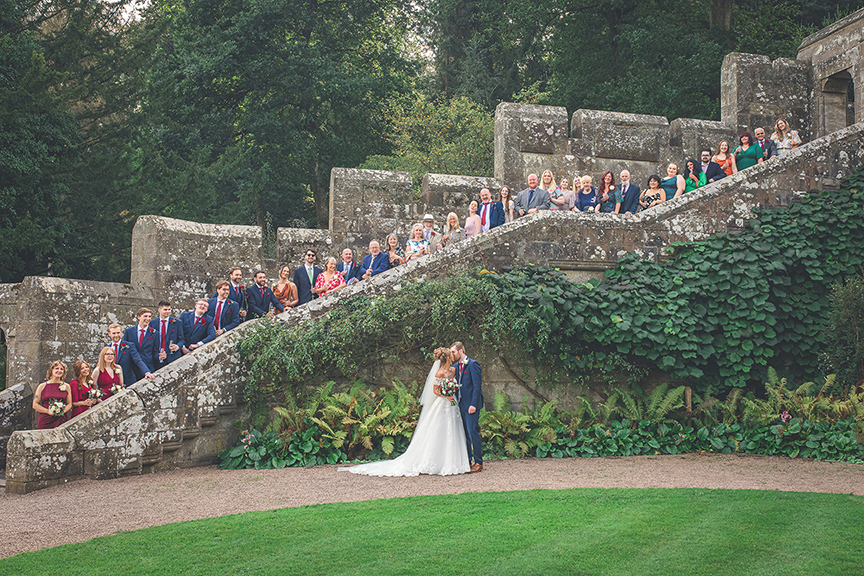
My Full Story includes up to twelve hours, normally beginning during preparations and finishing after the first dance once there is enough of the evening to show how it felt.
It does not mean twelve hours of posing. Most of that time I am photographing what is already happening. The directed parts are usually the family groups, a short portrait session and a few minutes of help during preparations when it is useful.
The main benefit is continuity. The gallery contains the build-up, the ceremony, the people you invited and the point where the formal shape of the wedding loosens into the evening.
Learn more about The Full Story below.
With a comfortable coverage window, none of that matters very much. With a short collection built around a single fixed moment at the end, a delay can force a decision about extending the time or leaving something uncovered.
That does not make shorter coverage a bad choice. It means the booked hours need to match the real schedule rather than the most optimistic version of it.
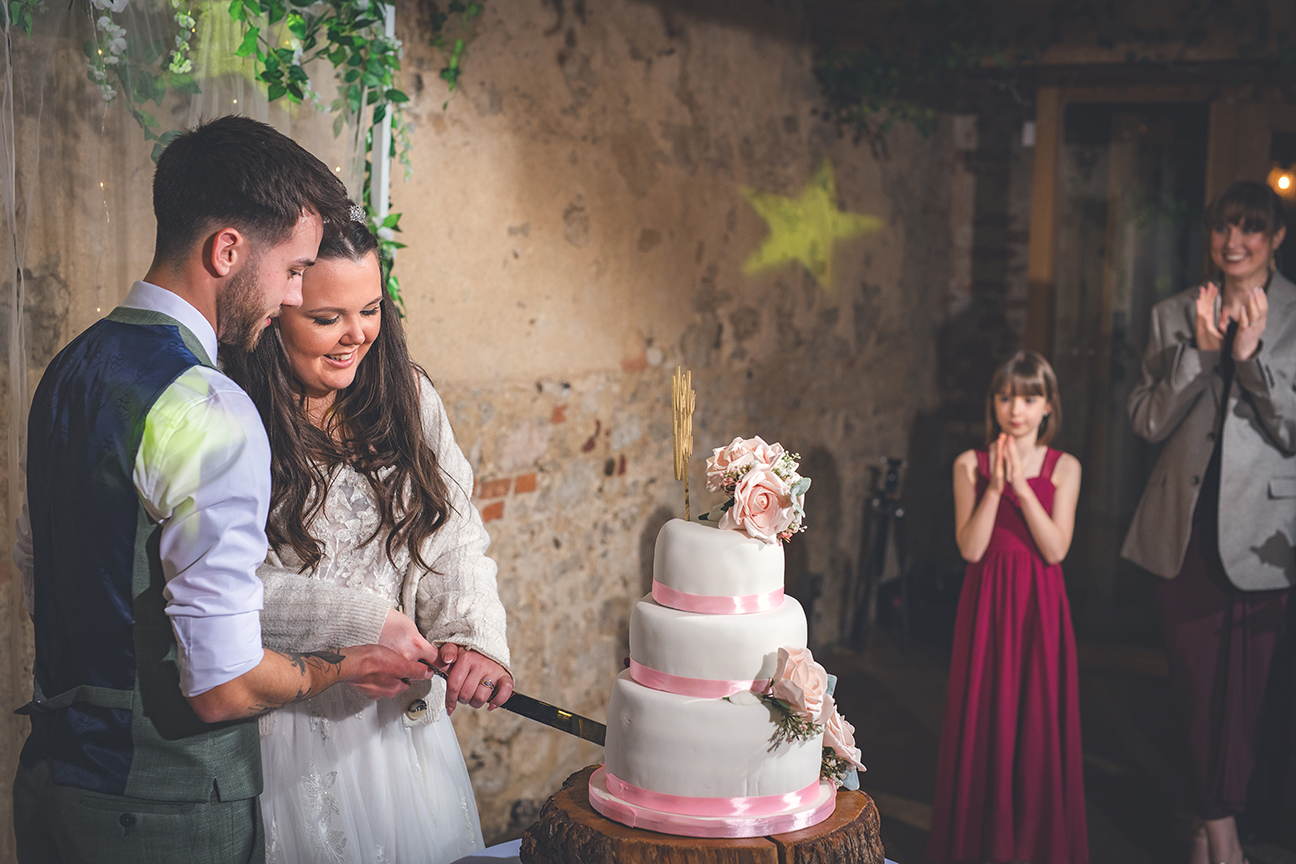
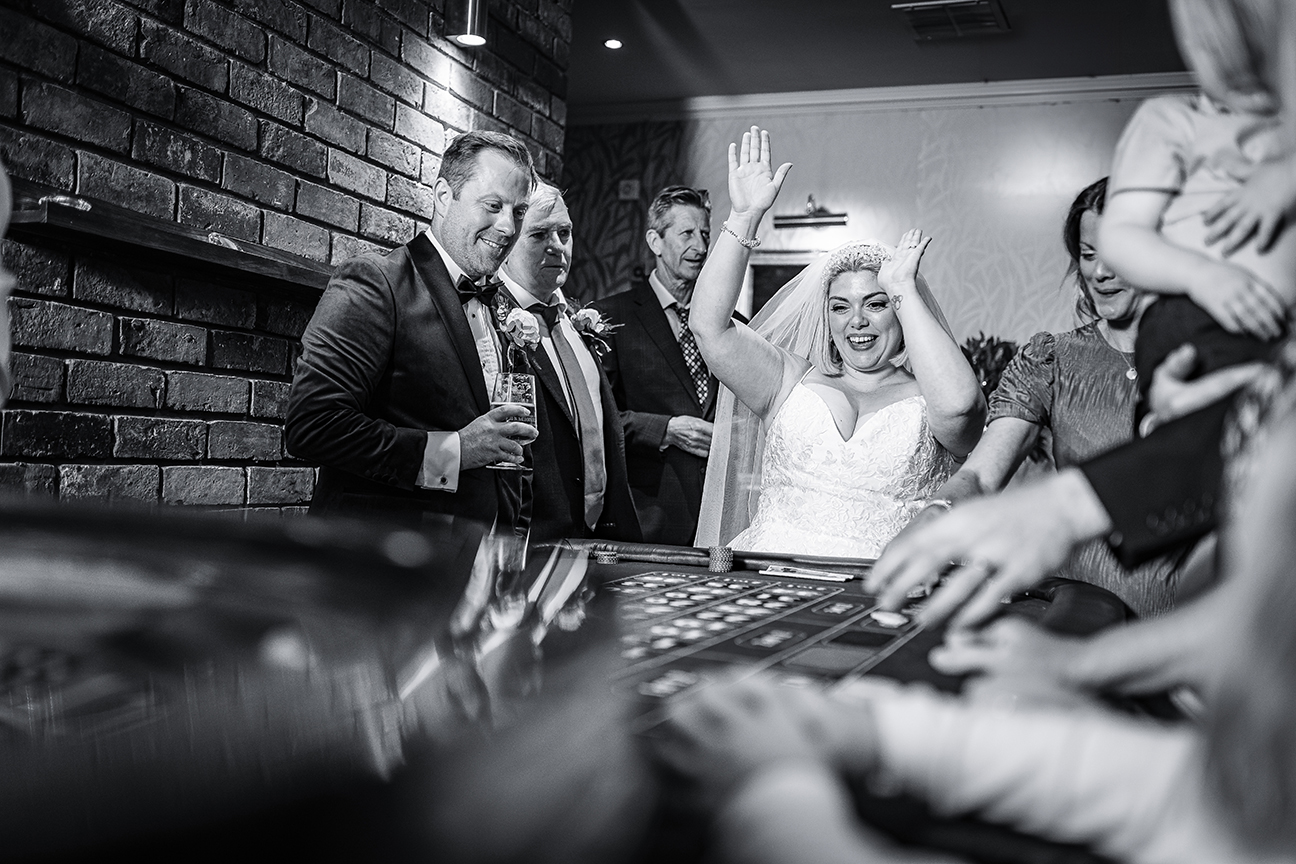
You can view a shorter collection for an intimate wedding below to see what was covered;
Preparation photographs are not compulsory. If neither of you cares about that part of the day, spend the coverage somewhere else.
When it is included, the morning does more than document clothes and details. It shows the people who were there, the nerves, the last-minute jobs and the change in atmosphere as the ceremony gets closer. It also gives everybody time to become used to me before the ceremony begins.
For some couples, that part becomes surprisingly important in the finished gallery. For others, the ceremony is the natural place to begin. Both are legitimate choices.
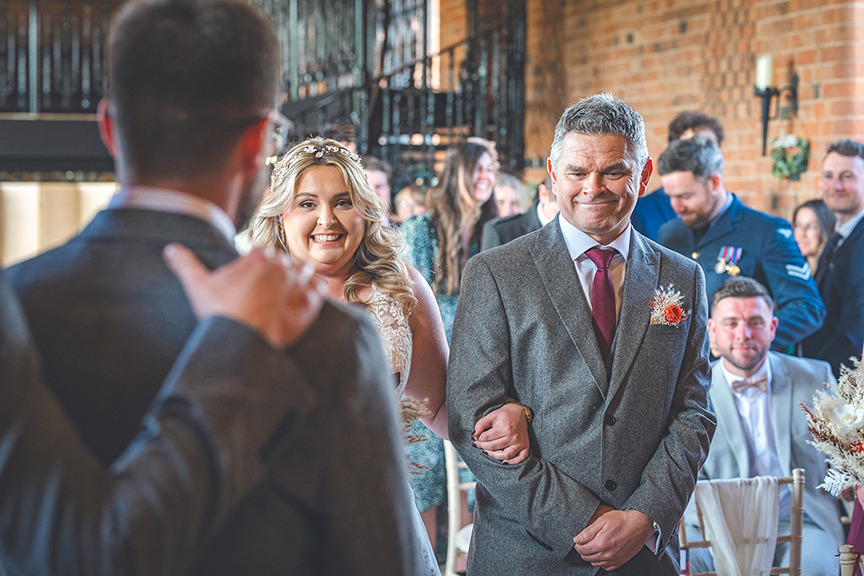
You can view a real wedding below where the couple booked 6 hours to see what was covered;
The first dance is not the only reason to stay into the evening.
People change once the meal and speeches are finished. Jackets come off, different groups of guests mix together and the photographs become less about the timetable. If the evening atmosphere and the people on the dance floor matter to you, allow enough time beyond the formal first dance for something to actually happen.
If you are not planning much of an evening, there is no benefit in paying somebody to photograph an empty dance floor simply to say the whole day was covered.
Two, four or six hours may suit you better when:
• The ceremony and reception are simple and close together
• You are having a registry-office wedding
• The ceremony begins late in the day
• There are only a small number of guests
• You are celebrating with a meal rather than a full evening reception
• Preparations or dancing are not important to you
• You want one particular part of the wedding documented properly
The shorter collection should still have a clear start and finish. “Somewhere around the ceremony” is not enough when you are deciding what will and will not appear in the gallery.
Coverage and what it can realistically suit
| Coverage | What it can realistically cover |
|---|---|
| Two hours | Arrivals, the ceremony, confetti, a small number of family photographs and short couple portraits when everything is happening in one place. |
| Four hours | Preparations through to the drinks reception, or the ceremony through to the beginning of the wedding breakfast. |
| Six hours | A substantial part of the wedding, placed before or after the ceremony according to your timetable and priorities. |
| Up to twelve hours | Preparations through to the first dance and part of the evening reception, with more room for travel and the inevitable delays. |
These are examples, not guarantees. A long church service, travel between locations or a late-running meal changes what fits inside the same number of hours.
Write down the parts you definitely want photographed. Add the real travel between them, not the best-case estimate. Then leave a little room around the final event rather than booking the photographer to finish at the exact minute it is supposed to begin.
If your six-hour collection ends at 7pm and the first dance is scheduled for 7pm, the plan has no tolerance at all. If speeches are the last thing you care about, ending shortly after them may be perfectly sensible.
Coverage should support the wedding, not make you watch the clock through it.