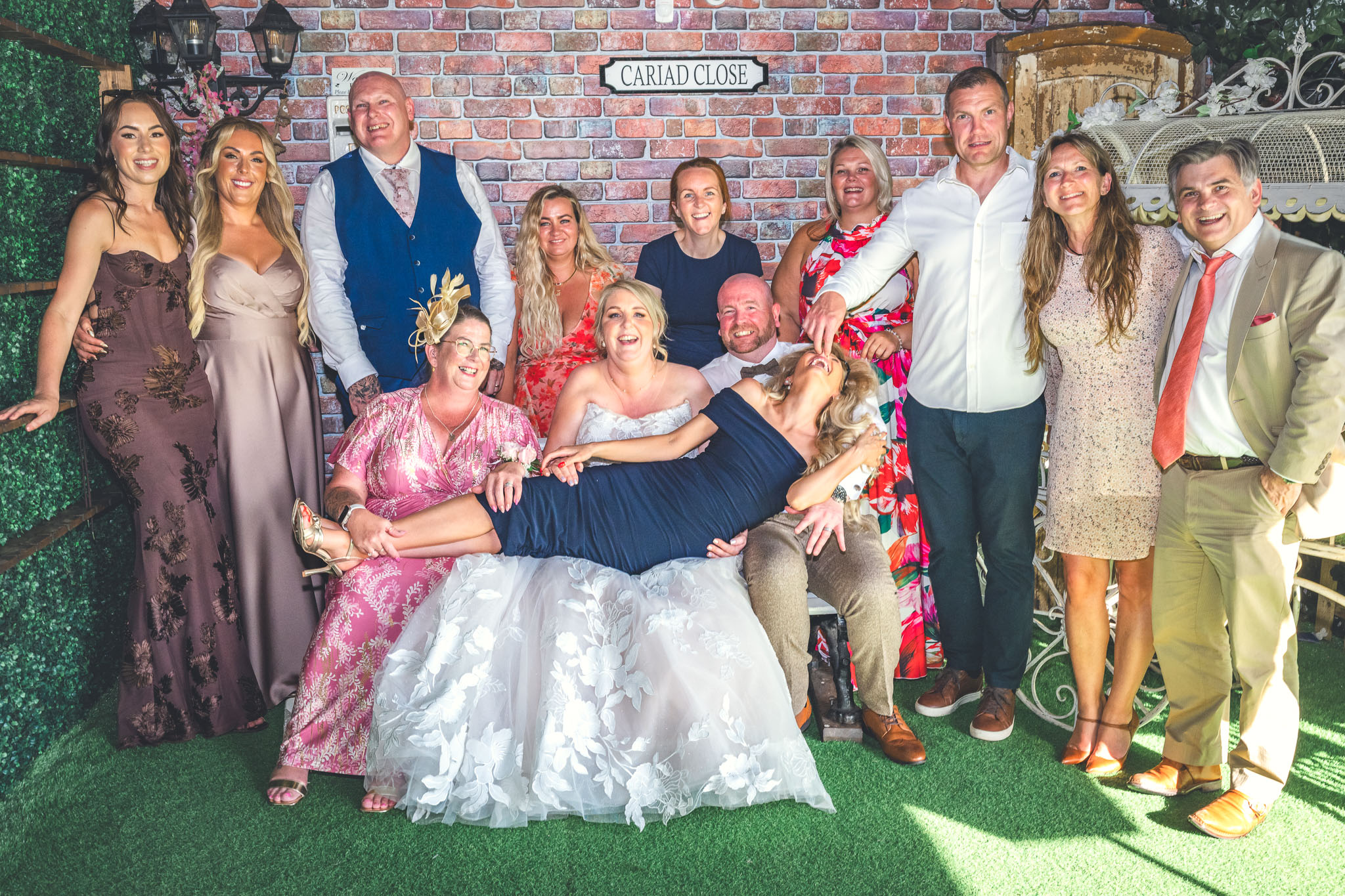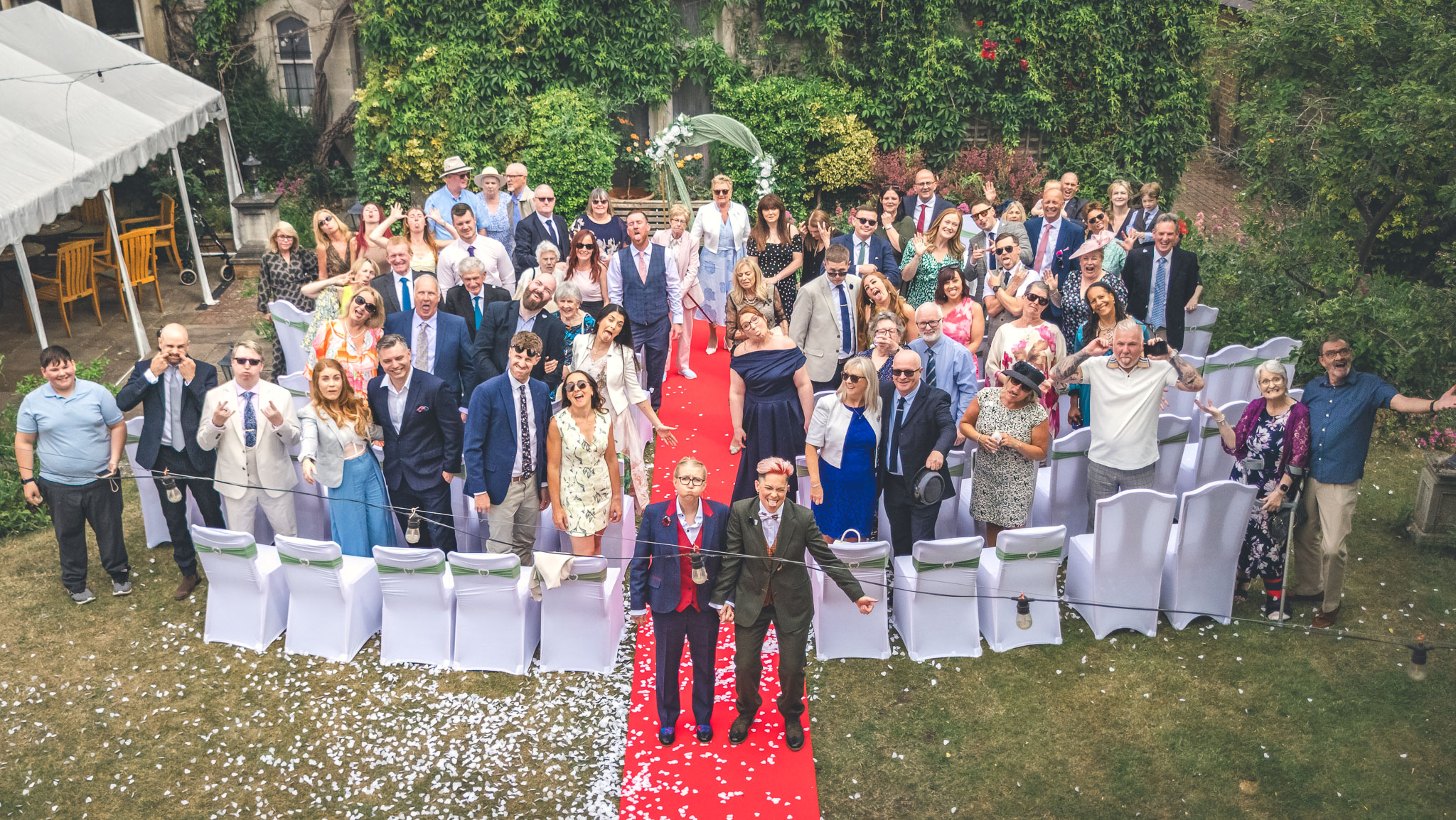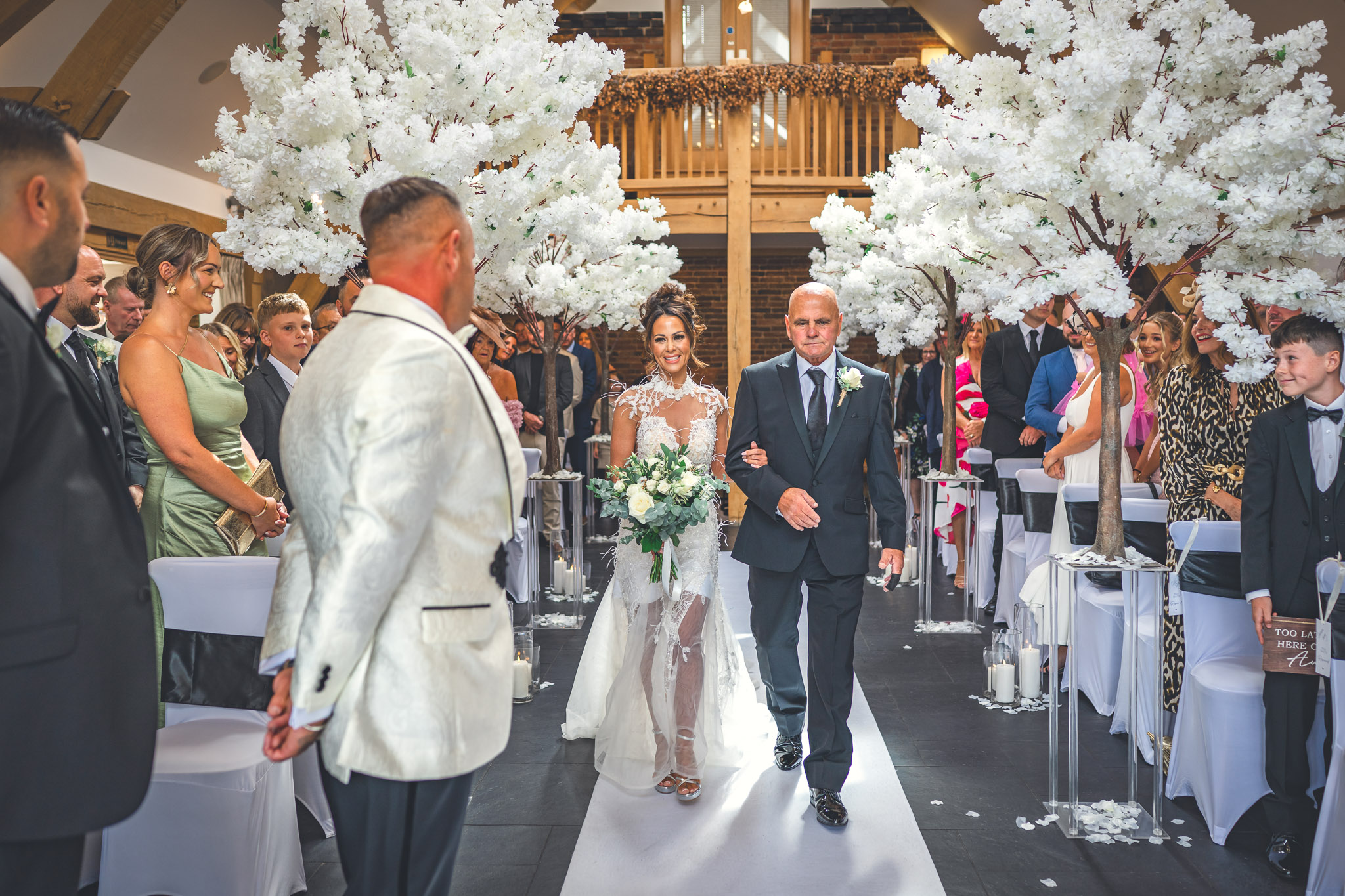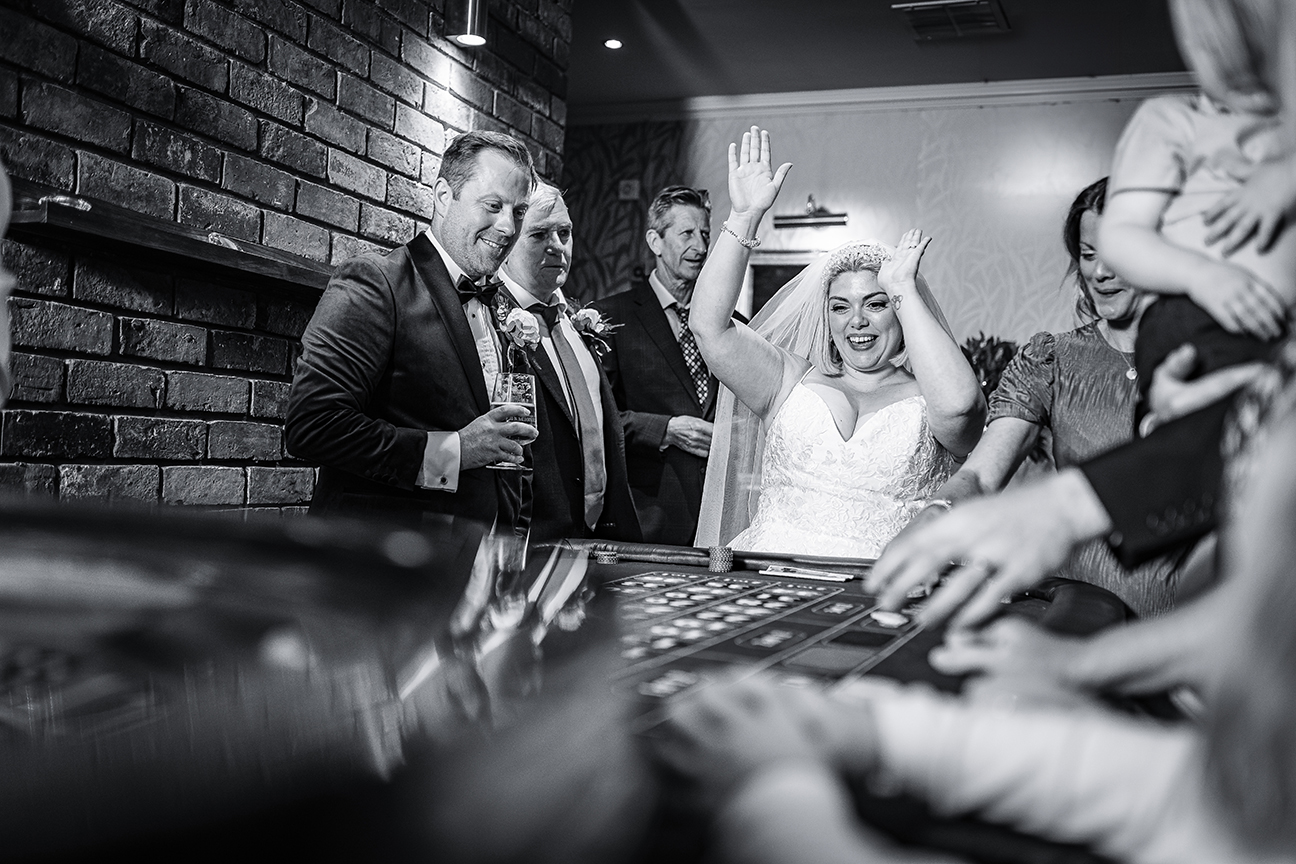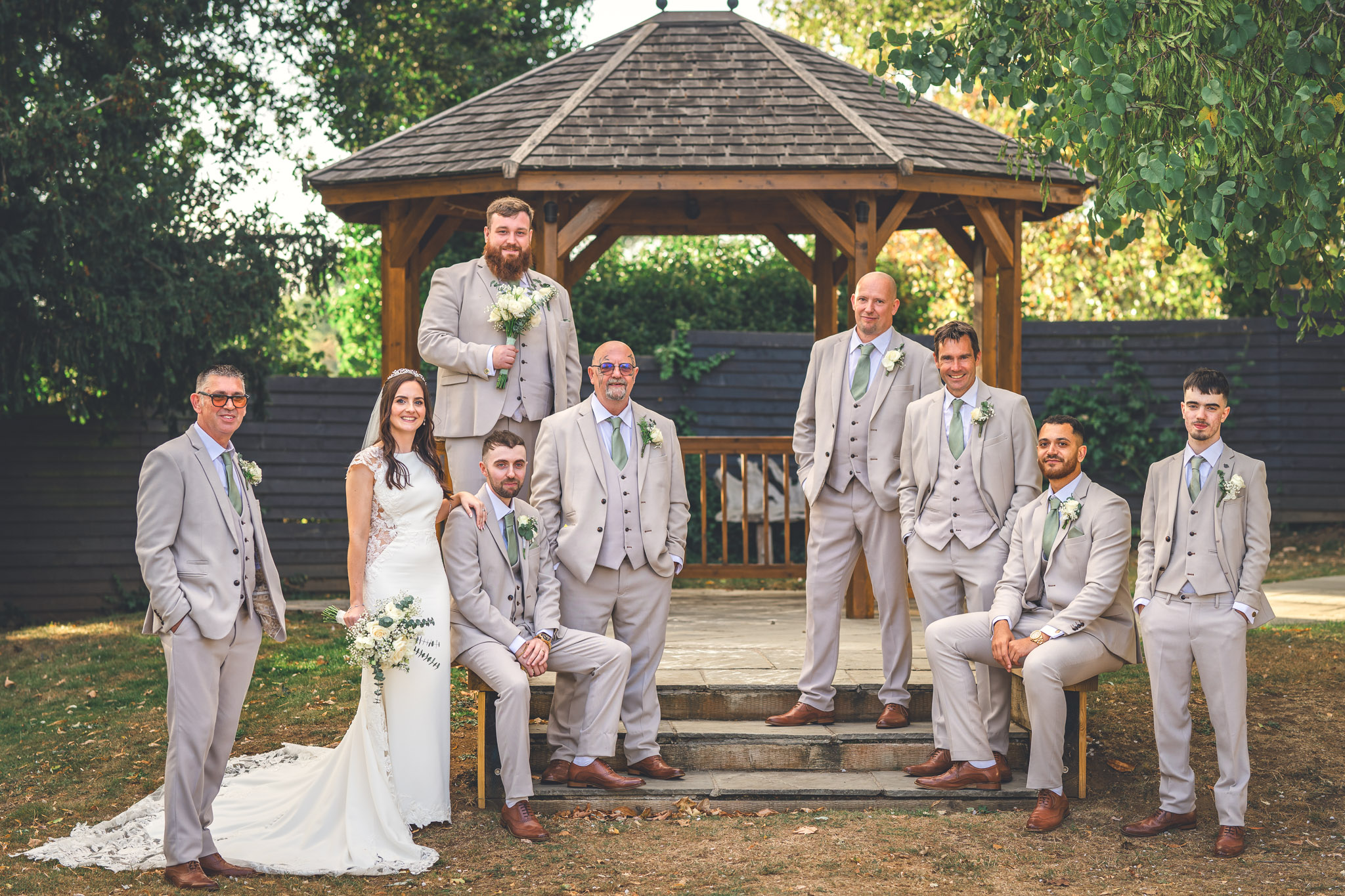
For most weddings, ten to twenty group photographs are enough to protect the important family combinations without turning your drinks reception into a photoshoot.
A useful wedding group photo list is built around priority, not volume. It should include the people who genuinely matter without turning your drinks reception into a family photo production line.
The right number depends on your family, ceremony time and the season. Separated parents may require more combinations, while a 1pm ceremony in July gives us more flexibility than a 3pm ceremony in December.
The aim is not to avoid family photographs. It is to protect the ones that will become more valuable over time, while leaving you enough time to enjoy the people standing in them.
Family combinations are only one part of the planning. My guide to whether you need a wider wedding photography shot list explains what else is useful and what an experienced photographer already knows to cover
For most weddings, I recommend between 10 and 20 group photographs.
Twenty is the upper end if they all need to happen during the drinks reception. The photograph may only take a few seconds, but finding, arranging and checking everybody usually takes a couple of minutes. Twenty photographs can therefore occupy around 40 minutes.
The total matters less than how many require both partners after the ceremony. A list of 30 can work if ten involve one partner and can be completed during preparations. If all 30 require both of you and three generations of relatives, it becomes much more disruptive.
As a rule, prioritise children, parents, grandparents and elderly relatives. Complete simple family and wedding-party groups before the ceremony where possible, and cover more distant relatives in one wider photograph.
Your list should be a safety net for the photographs you would be upset to miss. It does not need to catalogue every possible relationship at the wedding.
Start with the people who are important to you, not photographs you think weddings are supposed to contain.
A useful starting list might be:
1. Partner A with their parent or parents
2. The couple with Partner A’s parents and siblings
3. The couple with Partner A’s immediate family and grandparents
4. The couple with Partner A’s wider family
5. Partner B with their parent or parents
6. The couple with Partner B’s parents and siblings
7. The couple with Partner B’s immediate family and grandparents
8. The couple with Partner B’s wider family
9. The couple with both sets of parents
10. The couple with their wedding party
This is an example, not a compulsory checklist. You may want nieces and nephews, godparents or friends who are effectively family. You may not want several of these combinations at all.
You do not need individual formal photographs with every aunt, uncle and cousin. Include the people who have a particular place in your life, then cover the rest in a larger group or naturally while you are spending time together.
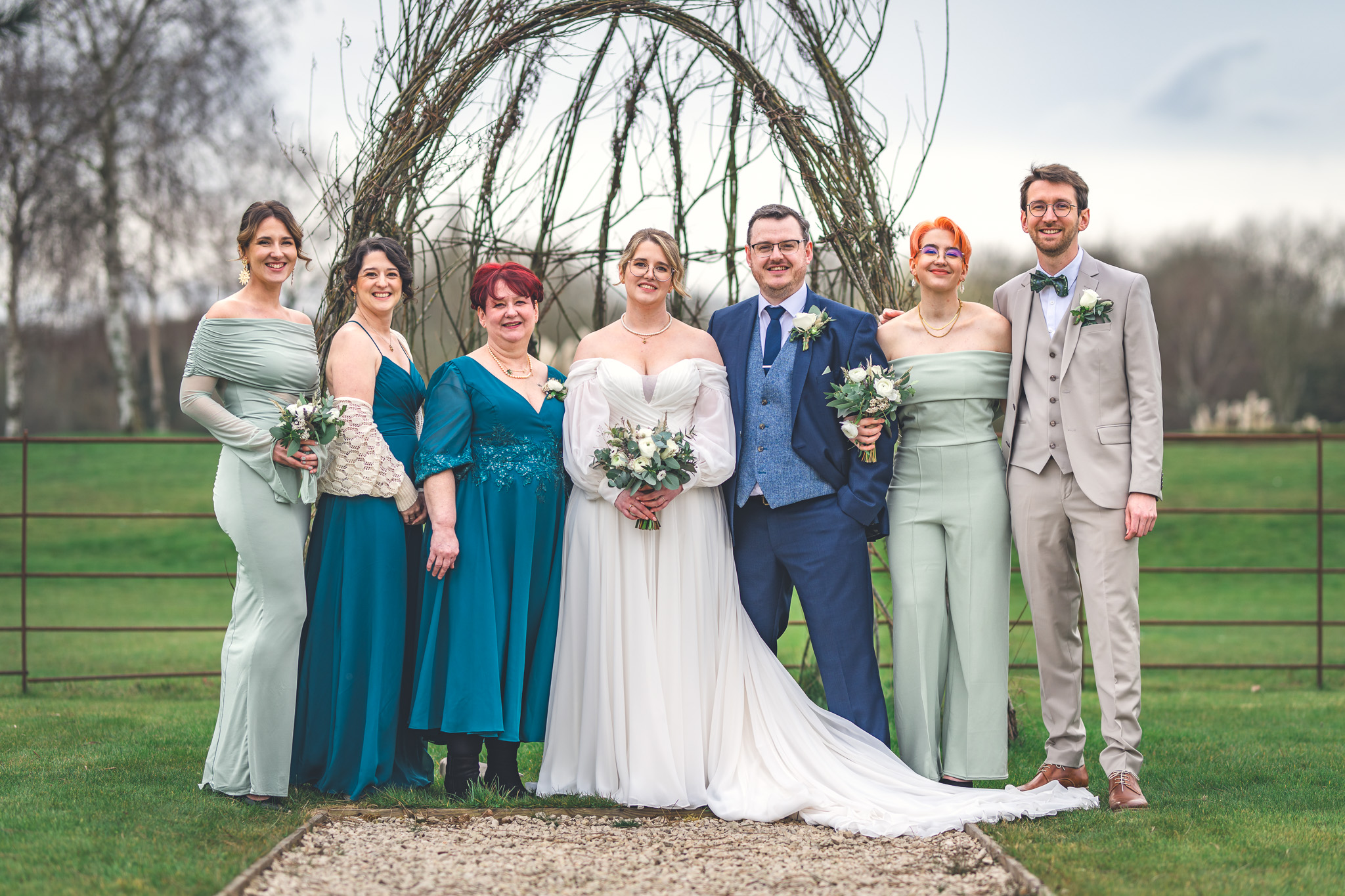
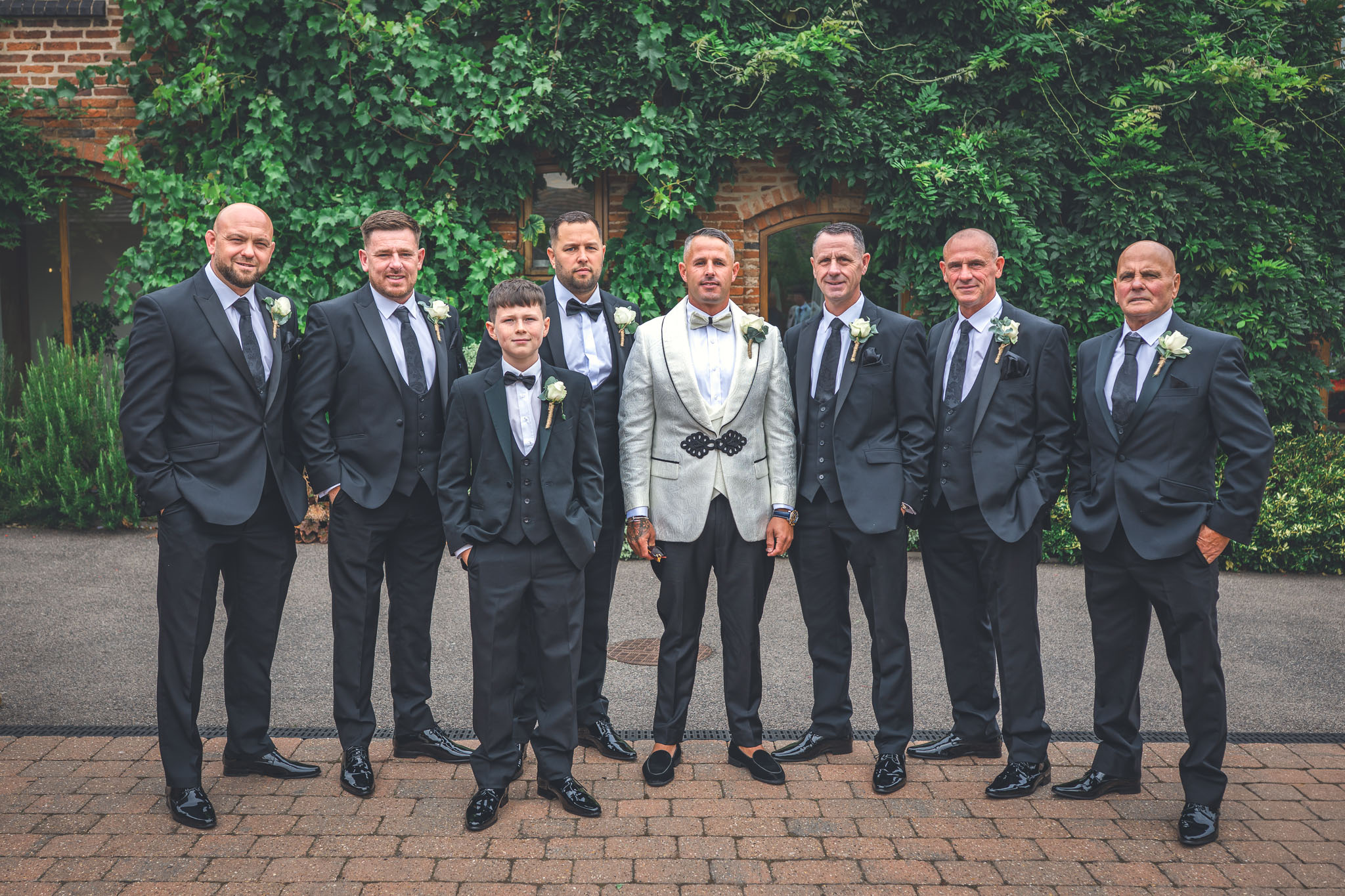
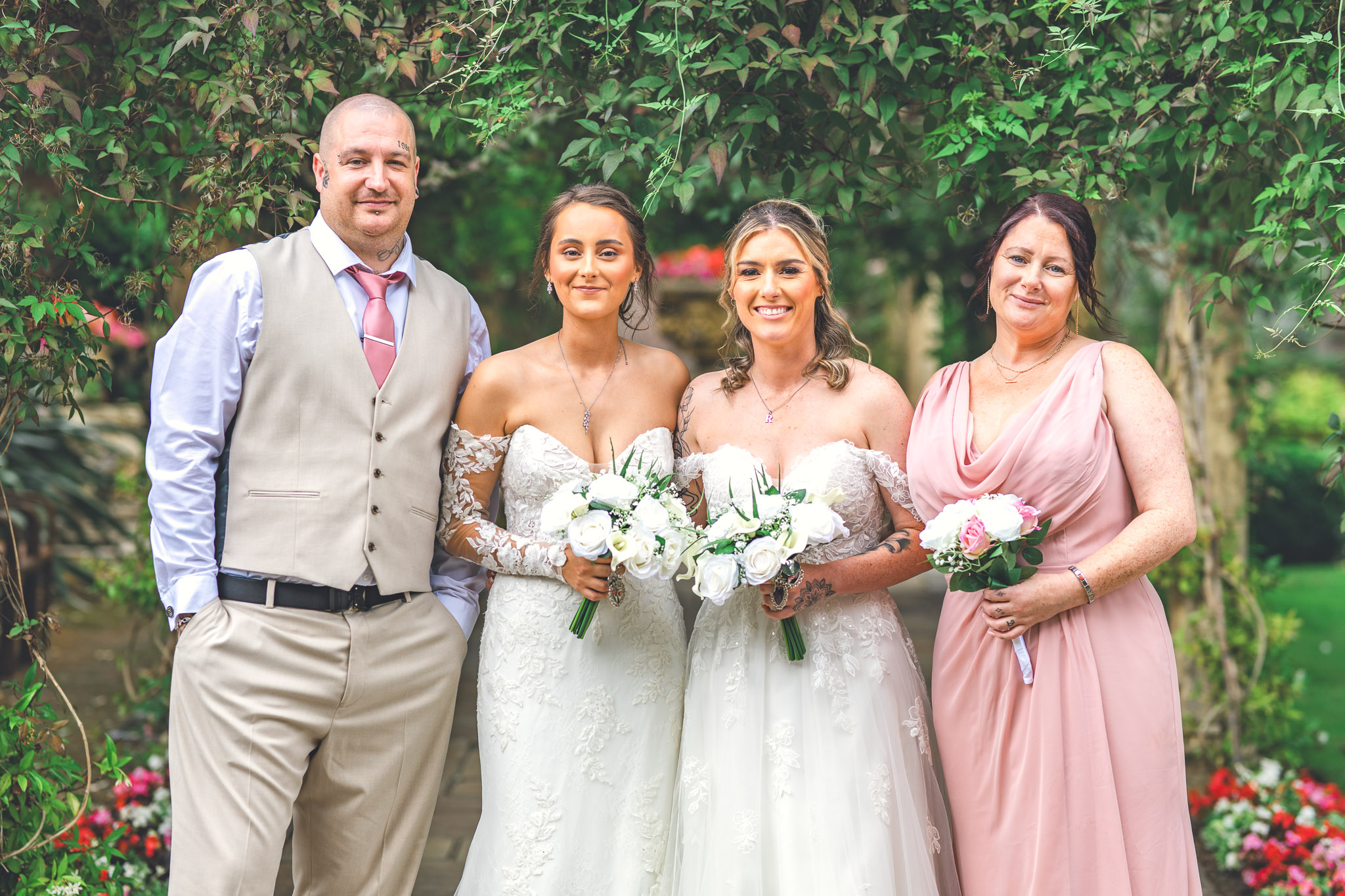
Wedding-party photographs are normally completed during preparations. If everybody is ready, they do not need to consume the drinks reception. If preparations run late, they become part of the same limited period as your family groups.
For university friends, work friends or sports teams, one lively photograph is better than lots of smaller combinations. Sit the couple down, gather everyone around them and make one properly energetic photograph. Most friends can also be photographed naturally during the day.